
9 hr
Krka Waterfalls Day Trip with Boat Ride & Primošten Beach
Discover stunning cascades, cruise the Krka River, and unwind on Dalmatian beaches in one memorable day.
Reserve

Hand-picked by our editors — only the best 5 experiences from 47 reviewed.
Verified partners for every tour, free cancellation where available, and instant confirmation on every booking.
9 hr
Discover stunning cascades, cruise the Krka River, and unwind on Dalmatian beaches in one memorable day.
Reserve
10 hr
Discover cascading waterfalls, cruise the Krka River, and savor Dalmatian wines on this full-day escape.
Reserve
7 hr 30 min
Discover Croatia's stunning waterfalls, swim in crystal-clear pools, and cruise to a charming coastal town
ReservePrices from verified partners. Availability updates in real time at checkout. Free cancellation policies apply where shown.
The landmarks, rooms, and views travelers on this tour remember — all visible on a single visit.
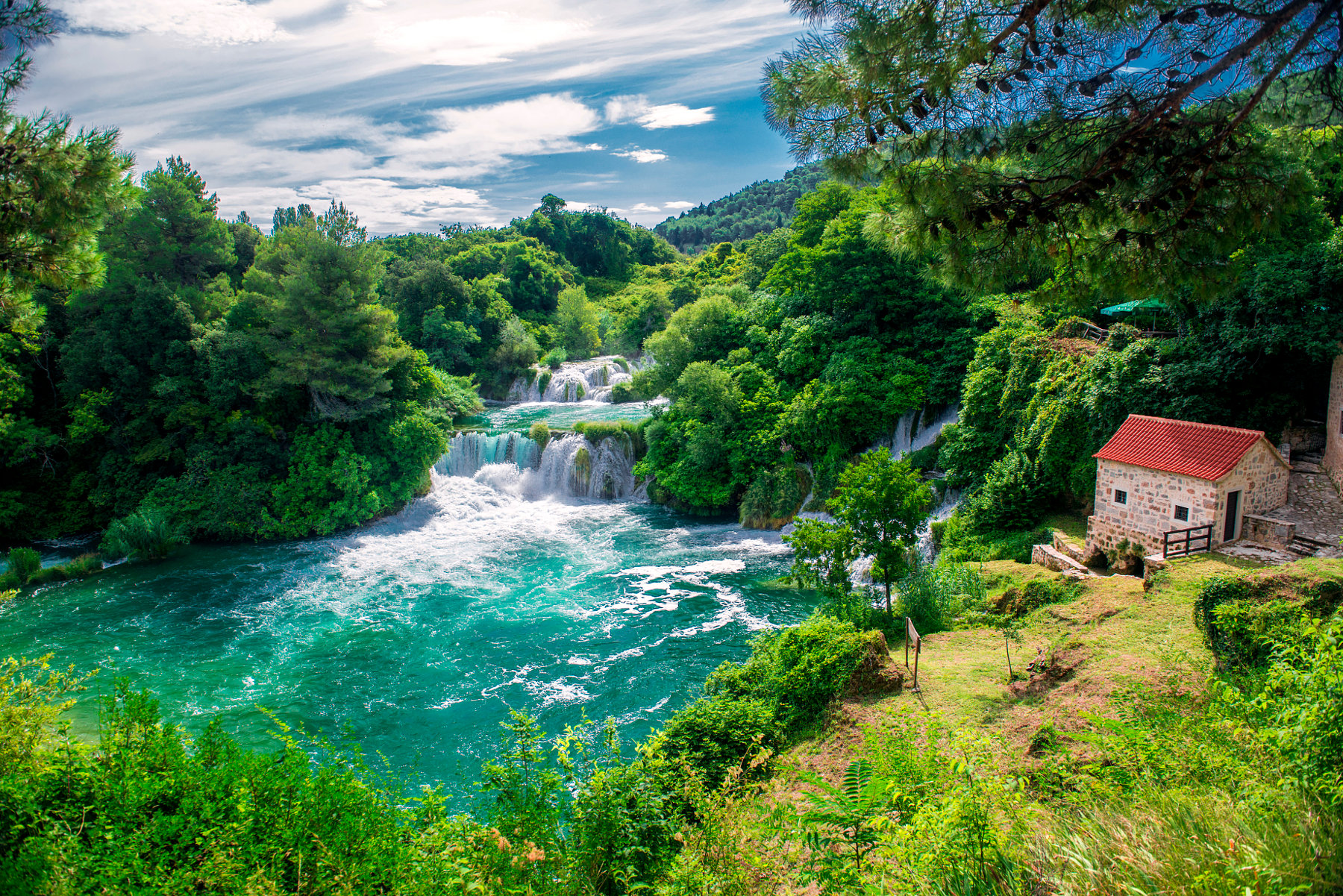
The largest travertine waterfall system features a 400-meter long barrier of cascading water. It remains the most iconic site for any krka national park private tour from split.
Home to a 15th-century Franciscan monastery, this island sits in the middle of a lake. Visitors often access it via boat trips included in regional tours.
Known as the vast waterfalls, these cascades span 450 meters in width. The area is surrounded by historic watermills that date back to the 19th century.
This important Orthodox religious site was built in the 14th century. It houses an extensive library and ancient catacombs.
These remnants of a Roman military camp include impressive stone arches. It showcases the ancient history embedded within the park landscape.
They complement each other; visitors seeking accessibility and ease of travel typically prefer a krka national park private tour from split over the more strenuous, remote trek to the larger northern lakes.
| Feature | Top pick Krka National Park | Plitvice Lakes |
|---|---|---|
Distance from Split |
approx. 1.5 hours | approx. 3 hours |
Walking Difficulty |
Moderate | High |
Waterfall Scale |
Concentrated cascades | Expansive network |
Swimming Availability |
Restricted (varies) | Prohibited |
Overall Park Size |
109 square kilometers | 295 square kilometers |
Tour Duration |
6–8 hours | 10–12 hours |
| See tickets → |
Verdict: Choose a krka national park private tour from split for shorter travel times and a concentrated karst landscape, or opt for Plitvice if you desire a full-day excursion through grander travertine formations and expansive forest scenery, noting that krka national park private tour from split tours provide greater flexibility.
Choose your ticket, select your date, and reserve in under two minutes. Secure checkout handled by our verified partner.
Instant confirmation by email, with a mobile voucher you can save offline. No printing, no queuing at a collection desk.
Arrive at the entrance, show your voucher on your phone, and walk in. Most tickets include priority or skip-the-line access.
Practical details for your visit straight from our verified partners — hours, access, rules, and how to get there.
Obala Hrvatskog narodnog preporoda
Central pickup for private transit.
Follow A1 motorway toward Šibenik-Skradin exit for direct access to entry points.
Direct door-to-door service included in your krka national park private tour from split.
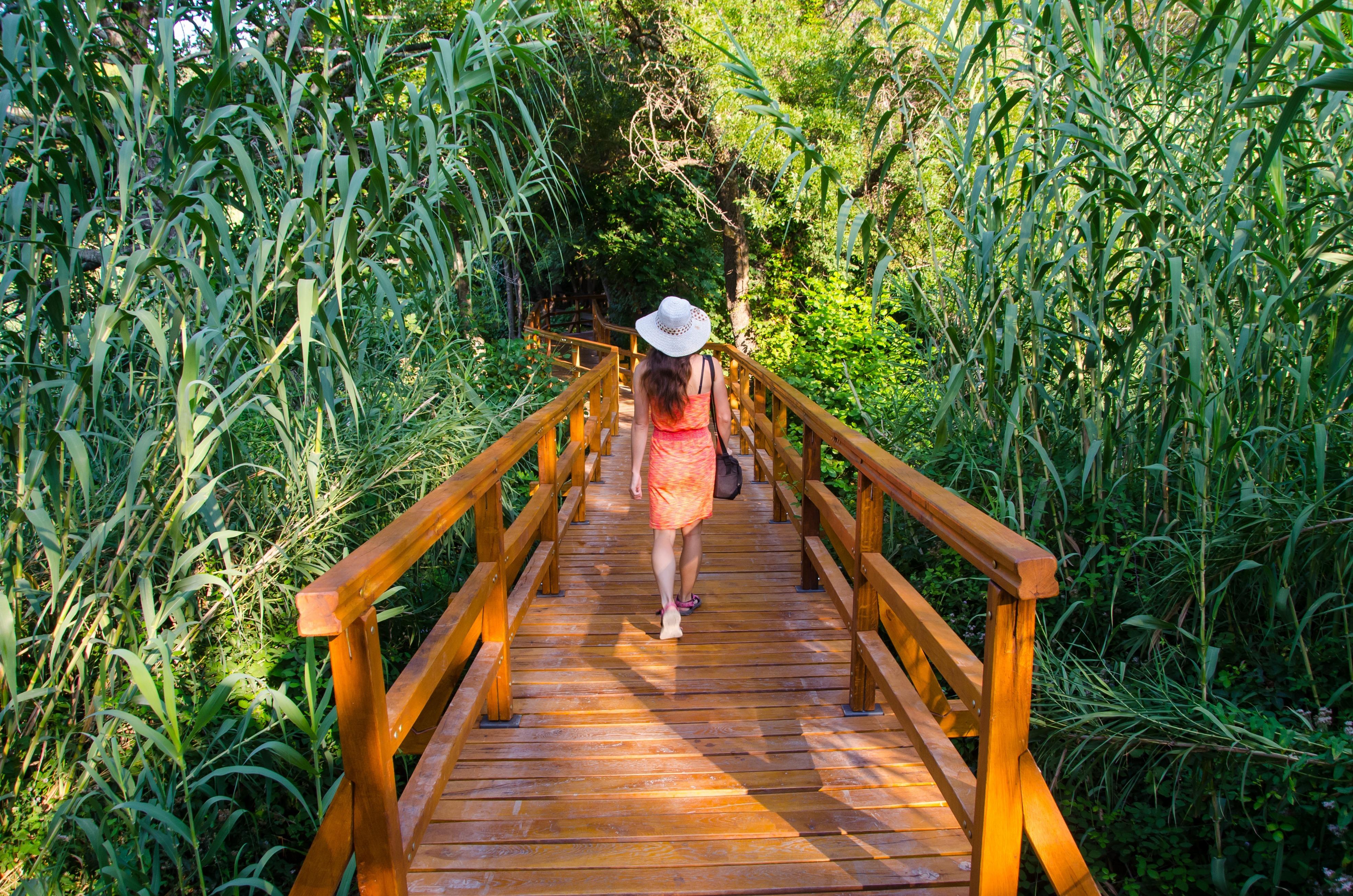
Sturdy walking shoes are required for navigating uneven wooden walkways and stone terrain. Modest attire is recommended as a courtesy to the natural environment.
Standard backpacks are permitted on a krka national park private tour from split. Security may inspect bags at entry points to ensure compliance with park regulations.
Personal photography is permitted throughout the park during your krka national park private tour from split. Drones require special permits and are otherwise strictly prohibited.
Wheelchair access is limited to specific areas near Skradinski Buk. Private tours can be tailored to focus on these accessible zones.
Mobile signal is available in most visitor areas. Reception may be intermittent deep within the limestone canyons.
The park is suitable for children, though strollers may be difficult on rustic wooden bridges. A krka national park private tour from split allows families to set their own pace.
Picnic areas are designated for visitors. Several seasonal cafes operate within the park boundaries offering light refreshments.
Dogs are allowed on a leash within the park boundaries. They must be kept under control at all times near wildlife and other guests.
Ensure you keep your entrance ticket visible during your krka national park private tour from split. Respect the karst geology by staying on designated paths.
Best time to go, insider tips, nearby landmarks, and the cancellation fine print — flip through to skim what matters to you.
How crowds, weather, and events shift across the year.
Mild temperatures and vibrant green foliage make for ideal private walking tours.
Expect warm conditions and peak crowds, necessitating the recommended 08:00 arrival.
The current season offers thinner crowds and golden canopy views along the river.
Park accessibility is reduced and some boat lines may operate on restricted schedules.
Small details that turn a good visit into a great one.
Plan your arrival between 08:00–10:00 to avoid the largest midday tour groups.
Non-bookable sights within a short walk — free to visit, easy to pair.
UNESCO protected architectural masterpiece located in central Šibenik.
Historic defensive site offering panoramic views of the Adriatic coast.
Stunning cascade system located upstream from the main falls.
Orthodox site reflecting centuries of regional spiritual history.
Flexible, no hidden fees.
Full refunds are available for cancellations made within the specified provider window. This policy covers the base booking price, excluding the 40 EUR peak season adult ticket fee required for park entry.
Hand-picked options within walking distance — pick a district for vibe, or a specific hotel for convenience.
High-end marina resort with sea views.
Convenient location near the main park boat departure point.
Historic stone properties located in the heart of the city.
Krka National Park protects 109 square kilometres of the Krka River canyon, where calcium carbonate deposits have built seventeen travertine barriers over thousands of years. The most dramatic, Skradinski Buk, drops forty-five metres across seventeen steps, creating a natural amphitheatre that holds 200,000 cubic metres of water in a single plunge pool. Croatian geologists first mapped the site in 1948, documenting travertine growth rates of up to twenty millimetres per year under ideal conditions. The river itself flows seventy-three kilometres from the Dinara massif to the Adriatic, carving through Cretaceous limestone and depositing dissolved minerals in the slow-moving sections above each cascade. Today Krka receives more than a million visitors annually, drawn by the rare combination of accessible waterfalls, Mediterranean forest, and Franciscan heritage. The park's terrestrial zone includes Visovac Island, where a monastery founded in 1445 holds incunabula and illuminated Aesop folios, and the clifftop remains of the fourteenth-century Serbian Orthodox monastery Krka. Unlike Plitvice, where swimming has been prohibited since 2006, certain zones here remain open to bathers during peak months, though conservation policy is under continuous review. The park authority operates electric boats from Skradin to Skradinski Buk, a thirty-minute upstream journey that eliminates road traffic from the central zone. Many private tours from Split integrate Krka with oenological stops in the Šibenik-Knin appellation, where Babić and Debit varietals are grown on red karst soil. The route north from Split follows the Adriatic coastal corridor for sixty kilometres before turning inland toward the park's Lozovac entrance. Entry includes access to all terrestrial localities, from the lower mills at Skradinski Buk to the upper cataracts at Roški Slap, where wooden boardwalks cross the cascade zone. The park's botanical inventory includes 860 vascular plant species, fifty-one of which are Balkan endemics, and eighteen bat species that roost in the riverside caves. Travertine formation continues today, visible as white accretions on submerged branches and the millrace infrastructure left by Ottoman-era flour mills that operated here until 1895.
"Calcium carbonate deposits have built seventeen travertine barriers over thousands of years."
A step-by-step walkthrough of the visit — what you'll see, how long each stage takes, and the details that matter.
You leave Split by eight in the morning, climbing the coastal highway as the Dalmatian karst opens to the east. An hour later your guide turns inland, passing stone villages and Debit vineyards before reaching Lozovac, the park's busiest entrance. You board the electric shuttle that descends through holm oak forest to Skradinski Buk, arriving before the midday groups. The boardwalk begins at the cascade's base, where spray keeps the air ten degrees cooler and ferns cling to dripping travertine. You follow the loop trail counterclockwise, crossing wooden bridges that hover centimetres above the flow. Midway up, the path divides: the lower fork leads to the old mill complex, where waterwheels and grinding stones sit under open timber roofs; the upper fork climbs to a viewing platform that frames the entire seventeen-step cascade. You take both. By noon you're back at the dock for the boat to Visovac, a flat-bottomed craft that threads the narrow canyon upstream. The monastery visit lasts thirty minutes, long enough to see the treasury and walk the cloistered courtyard. Afternoon brings either a second waterfall—Roški Slap, quieter and wider—or a stop in the wine country south of Skradin, where family cellars pour Babić from stainless steel tanks and offer cured sheep's cheese on wooden boards.
The park operates daily from 08:00–19:00. These hours apply to all terrestrial localities within the park boundaries.
Yes, the entrance fee is 40 EUR for an adult ticket during peak season, covering all terrestrial localities.
Yes, booking in advance is highly recommended to secure your preferred date for a krka national park private tour from split.
We recommend arriving between 08:00–10:00 to avoid peak heat and the largest midday crowds at the waterfalls.
Yes, the park is family-friendly, though paths can be uneven for strollers. A private tour allows you to customize the intensity of your visit.
Yes, items like drones and hunting gear are strictly prohibited within the Krka National Park premises.
You can reach the park via car, taxi, or by booking a dedicated vehicle for your krka national park private tour from split.
Yes, you are encouraged to take photos of the scenery during your krka national park private tour from split.
Sturdy, comfortable walking shoes are essential for navigating the trails of Krka National Park comfortably.