
9 hr
Krka Waterfalls & Primošten Coast
Explore cascading falls, cruise the Krka River, and swim at a stunning Adriatic beach—all in one day.
Reserve

Seven travertine cascades and a riverside monastery, ninety minutes from the harbor
Hand-picked by our editors — only the best 5 tours from 14 reviewed
Verified partners for every tour, free cancellation where available, and instant confirmation on every booking.
9 hr
Explore cascading falls, cruise the Krka River, and swim at a stunning Adriatic beach—all in one day.
Reserve
10 hr
Discover cascading waterfalls, Croatia's oldest hydroelectric plant, and savor Dalmatian wines on this full-day escape from Split
Reserve
9 hr
Discover cascading falls and pristine nature at one of Croatia's most breathtaking national parks
ReservePrices from verified partners. Availability updates in real time at checkout. Free cancellation policies apply where shown.
The landmarks, rooms, and views travelers on this tour remember — all visible on a single visit.
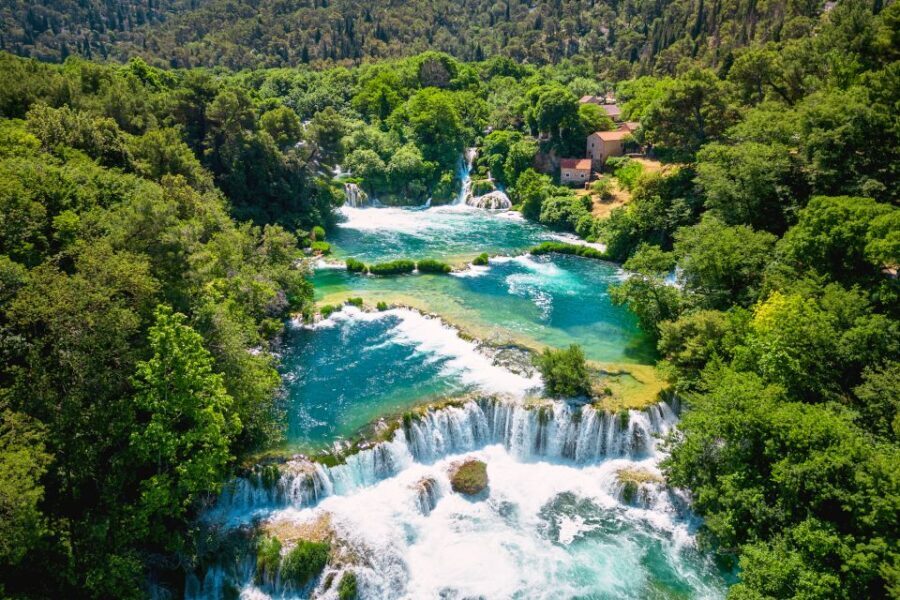
The longest tufa barrier in Europe with a 47-meter drop.
Krka is the superior choice for cruise passengers seeking proximity and convenience, whereas Plitvice Lakes offers a more expansive natural landscape for travelers with additional time. These coastal landmarks provide distinct experiences, with most visitors finding krka national park from split cruise port tours easier to manage within tight ship schedules.
| Feature | Top pick Krka National Park | Plitvice Lakes |
|---|---|---|
Distance from Split |
approx. 90 km | approx. 250 km |
Travel Duration |
1.5 hours | 3 hours |
Walking Intensity |
Moderate | High |
Swimming Opportunities |
Permitted in designated areas | Strictly prohibited |
Peak Crowds |
High | Very high |
Park Size |
109 square kilometers | 296 square kilometers |
| See tickets → |
Verdict: For those prioritizing efficiency, krka national park from split cruise port tickets ensure a seamless excursion, while Plitvice Lakes serves those willing to sacrifice transit time for a vast UNESCO heritage environment and krka national park from split cruise port tour logistics favor the shorter journey.
Choose your ticket, select your date, and reserve in under two minutes. Secure checkout handled by our verified partner.
Instant confirmation by email, with a mobile voucher you can save offline. No printing, no queuing at a collection desk.
Arrive at the entrance, show your voucher on your phone, and walk in. Most tickets include priority or skip-the-line access.
Best time to go, insider tips, nearby landmarks, and the cancellation fine print — flip through to skim what matters to you.
How crowds, weather, and events shift across the year.
Mild weather and lush scenery make this perfect for walking trails and photos.
Warmest months for krka national park from split cruise port visits; expect high crowds.
Fewer crowds and beautiful foliage color the park paths.
Cooler temperatures and abundant water flow create impressive waterfall views.
Small details that turn a good visit into a great one.
Prioritize your krka national park from split cruise port visit by arriving between 08:00–10:00.
Purchase krka national park from split cruise port tickets in advance to save time.
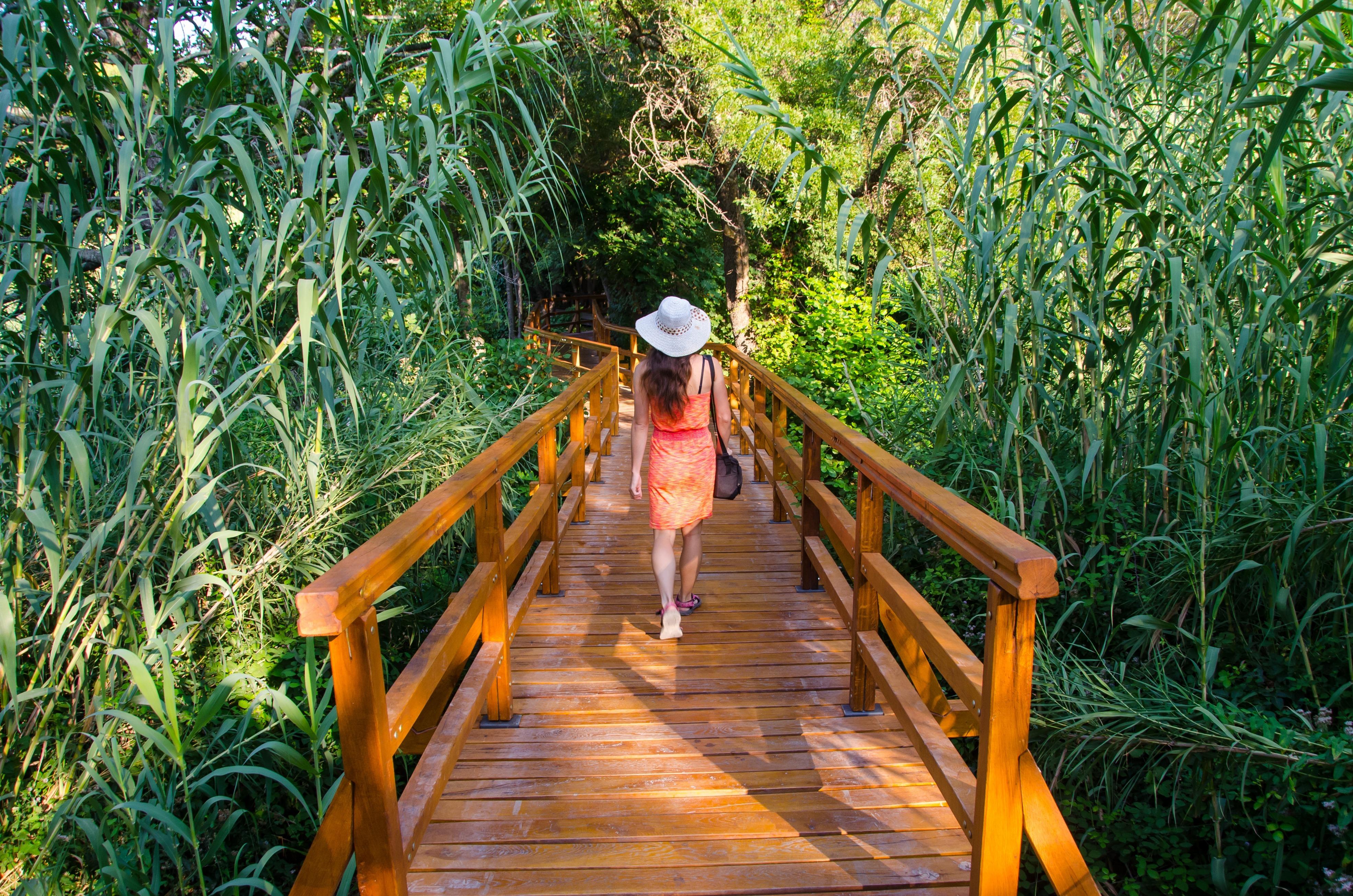
Wear sturdy shoes as the boardwalks can be slippery.
The Skradin boat is included in your krka national park from split cruise port fee.
Carry plenty of water as shade is limited along the main trails.
Follow all path markers to protect the karst ecosystem.
Non-bookable sights within a short walk — free to visit, easy to pair.
Overlook the town and river from this historical site.
Flexible, no hidden fees.
Full day tickets are non-refundable. Please check your specific tour operator's terms for details on their 40 EUR conservation fee inclusion.
Hand-picked options within walking distance — pick a district for vibe, or a specific hotel for convenience.
Charming local hotels near the main boat entrance.
Krka National Park protects seventeen kilometers of the Krka River canyon, where calcium carbonate deposits have built seven major waterfalls over twelve thousand years. Skradinski Buk, the lowest and widest cascade, drops forty-five meters across seventeen natural steps, creating a thundering amphitheater of moss-covered travertine. The park was established in 1985 to halt limestone quarrying and preserve a landscape that had remained largely unchanged since medieval times, when Franciscan monks built Visovac Island monastery on a mid-river outcrop. Today the site receives over a million annual visitors, most arriving via the historic town of Skradin, where traditional wooden boats ferry passengers upstream through reed-lined channels. The journey reveals why this river corridor mattered to successive powers. Roman engineers diverted water for mills. Venetian governors planted vineyards on the canyon rim. Ottoman forces built fortifications overlooking the rapids. Croatian hydroelectric pioneers installed the world's second alternating-current power plant here in 1895, two days after Niagara Falls, using Krka's flow to illuminate Šibenik's streetlamps fifty-two years before rural electrification reached most of Europe. The park's biodiversity reflects its geographic position where Mediterranean scrubland meets continental beech forest. Eighteen endemic fish species inhabit the river's cooler stretches. Golden eagles nest on canyon walls above dense stands of Dalmatian black pine. The travertine barriers themselves are living structures: cyanobacteria and mosses capture calcium from the water, adding millimeters of stone each year, while the current carves new channels through older deposits. This dynamic geology makes Krka fundamentally different from static limestone caves; the waterfalls you see today will have a different profile in a century. Beyond Skradinski Buk, wooden boardwalks trace the river's edge past abandoned watermills, their grinding stones still visible beneath the flow. Ethnographic exhibits inside restored mill buildings display the tools and contracts that governed this pre-industrial economy. The upper canyon, less visited, contains Roški Slap waterfall and the fortified Krka Monastery, built in 1345 as an Orthodox retreat and later absorbed into Catholic administration. These layered histories make the park more than a natural monument; it is a record of how communities have shaped and been shaped by a single river for two millennia.
"Croatian engineers installed the world's second alternating-current power plant here in 1895, two days after Niagara Falls."
Swimming is strictly prohibited at Skradinski buk for conservation reasons.
Yes, many operators provide dedicated krka national park from split cruise port tours.
A standard visit to the main waterfall area usually takes 2–4 hours.
The town of Skradin and Turina Fortress are excellent additions to your krka national park from split cruise port itinerary.